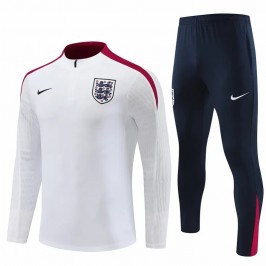
Nike 2026 World Cup Jerseys Shoulder Seam Flaw: Why Fans Are Furious (Mbappé, Uruguay, England Affected)
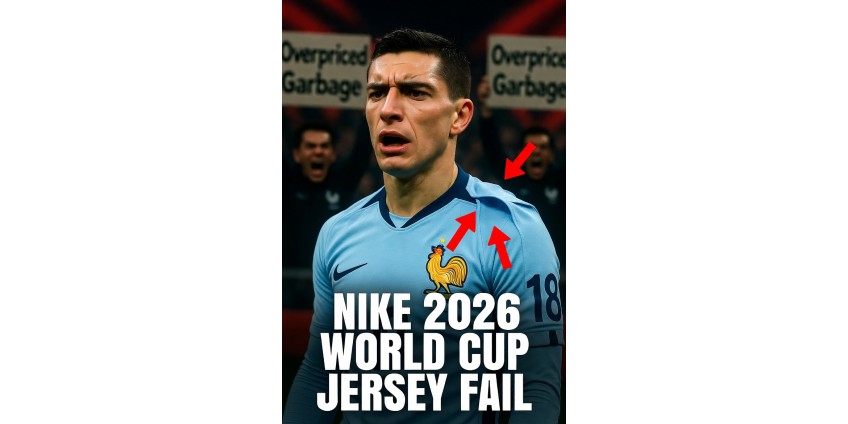
Why Soccer Jerseys for the 2026 World Cup Have Fans So Angry
Soccer jerseys designed for the 2026 World Cup have ignited an unexpected controversy among fans and players alike. Nike’s latest designs feature a peculiar shoulder seam flaw that creates awkward bunching at the collarbone, making the garments look ill-fitted and cheaply made. The issue is in particular frustrating for fans who are paying between $100 and $200 for what many consider defective merchandise. This article examines the design problem, which national teams are affected, how Nike has responded, and what this means for the upcoming tournament.
The Shoulder Seam Problem Explained
How the Design Flaw Manifests
The problem became visible during the recent international break when teams wore their new kits for the first time on the pitch. Fans and observers spotted an unsightly bulge forming along the shoulder seam of the jerseys. The bulge varies in severity depending on the specific kit design and the player wearing it [1].
On certain jerseys, the defect is barely noticeable. On others, the bulge creates a borderline comical appearance that immediately draws attention [1]. The issue affects both the “match” shirts designed for players and the “stadium” versions sold to supporters [1]. This widespread impact means the flaw isn’t limited to elite athletes but extends to everyday fans purchasing the jerseys.
Nike acknowledged the structural issue stems from their AeroFit authentic template [1]. The shoulder width of this new template is simply too wide for many players. As a result, the structured shoulder seams consistently extend past many players’ natural shoulder lines [1].
Why the Fabric Bunches at the Collarbone
The technical explanation centers on the seam construction itself. The seam connecting the sleeve to the torso is heavily reinforced and positioned unusually high on the collarbone [1]. This placement prevents the fabric from draping naturally across the body.
Instead of following the contours of the wearer’s shoulders, the reinforced seam creates a stiff, protruding peak [1]. The fabric refuses to settle because the seam sits where it should be flexible. Combined with the incredibly short sleeves and gaping necklines, this makes Nike’s 2026 authentic template one of the most awkwardly proportioned elite kits in recent memory [1].
The problem worsens for individuals with broader shoulders. A Canadian fan explained the mechanics clearly: “The way the shoulders are sewn together just makes them bunch like this no matter what. I think they might work if your shoulders are narrow. I have wider shoulders and there’s just no way to not make this shoulder line not bunch” [2].
Comparison to Poorly Fitted Suit Jackets
Tailoring experts use specific criteria to evaluate proper shoulder fit in garments. A well-fitted jacket should have the sleeve seam start exactly where the shoulder bone ends [3]. The fabric should lie flat against the shoulder, following natural body contours without creasing or divots [3].
When suit shoulders are too large, excess fabric forms a visible dimple where padding extends past natural bone structure [4]. This exact phenomenon appears in the soccer jerseys. The seam placement creates the same type of structural failure seen in poorly tailored formalwear.
In proper garment construction, the shoulder seam must hit the point-to-point fit where natural shoulder bone ends and the arm begins [4]. Nike’s jerseys violate this fundamental principle. The reinforced seam sits so high up on the collarbone that it creates the same stiff, protruding effect as an oversized suit jacket [1].
The visual comparison is particularly apt. Just as a poorly fitted suit jacket shows excess fabric and awkward draping at the shoulders, these soccer jerseys display the same telltale signs of incorrect construction. Nike characterized the issue as affecting esthetics while maintaining that performance remains unaffected [1].
Teams and Players Affected by the Jersey Issue
France and Kylian Mbappé’s Awkward Fit
During recent international matches, France’s elegant new kit drew attention for all the wrong reasons. Kylian Mbappé, one of soccer’s biggest stars, became an unintentional showcase for the shoulder seam problem [5]. The French superstar’s appearance in the jersey sparked immediate comparisons to the Romulans from Star Trek, who wear green uniforms with questionable shoulders [1].
The comparison proved particularly apt given France’s understated, elegant design. What should have been a showcase of sophisticated styling instead became borderline comical [6]. Mbappé’s status as a global football icon only amplified the visibility of the flaw. When one of the sport’s most photographed players wears a jersey with obvious structural issues, the problem becomes impossible to ignore.
Uruguay’s Most Noticeable Seams
Uruguay players displayed perhaps the most severe examples of the shoulder defect. During a friendly match against England, several Uruguay players sported what observers deemed the most obvious seams of the bunch [6]. The protruding shoulder peaks created such a distinctive silhouette that fans compared the appearance to Shredder, the villain from Teenage Mutant Ninja Turtles [7].
The Uruguay kit made the structural flaw impossible to miss. While other teams showed varying degrees of the problem, Uruguay’s jerseys consistently demonstrated the worst-case scenario of how the reinforced seam manifests on the pitch [1].
Which Countries Are Wearing Nike Jerseys
Nike produced kits for approximately a dozen of the 48 nations competing at the 2026 World Cup [1]. The company manufactured jerseys for co-hosts Canada and the United States, along with several other prominent football nations [5].
The complete list of Nike-sponsored teams includes Turkey, Australia, Croatia, South Korea, Brazil, the Netherlands, and Norway [1]. England also received Nike kits, with the shoulder bulging visible during the recent international break [5]. France and Uruguay round out the roster of affected nations. Nike even revealed jerseys for teams not yet qualified, including Nigeria [8].
This widespread production means the shoulder seam issue affects multiple continents and football cultures. From South American powerhouses like Brazil and Uruguay to European squads like France, England, and the Netherlands, the problem spans Nike’s entire World Cup portfolio.
Teams Where the Problem Is Less Visible
The severity of the shoulder issue varies significantly across different Nike designs. On certain kits, the bulge is hardly perceptible [9]. The United States men’s national team received arguably their most distinctive pair of shirts in decades, and on their striped home jersey, the defect was barely noticeable [7].
This variation suggests the problem stems from the interaction between the template design and specific kit esthetics. Striped patterns and certain color schemes appear to camouflage the protruding seam better than solid colors or minimalist designs. The US kit demonstrates that the structural flaw exists across all Nike jerseys but manifests differently depending on the overall design approach.
The shoulder seam issue affects both match shirts designed for players and stadium shirts aimed at supporters [5]. This means fans purchasing replica versions encounter identical problems, regardless of which Nike team they support.
Fan Complaints and Cost Concerns
Fans Paying $100 to $200 for Defective Jerseys
Supporters who purchased these soccer jerseys paid anywhere from $100 to $200, making the shoulder defect a significant financial concern [6]. In Canada specifically, fans faced prices north of $200 depending on the specific product [1]. The steep cost makes the visible flaw particularly frustrating for consumers who expected premium quality merchandise.
The price point sits at the higher end of replica jersey pricing across the sports industry. Fans who invest this amount expect garments that look and fit properly. Instead, they received jerseys with structural issues visible to anyone watching matches or viewing photos online. The Canadian market saw particularly inflated pricing, with one supporter paying $135 Canadian dollars for what they described as a “joke” of a product [1].
Social Media Reactions and Reddit Posts
Online platforms erupted with complaints once fans received their purchases. Multiple supporters posted photos and detailed accounts of the shoulder bunching issue on Reddit’s Soccer Jerseys subreddit. The posts sparked widespread discussion about how Nike could release such obviously flawed products.
Some fans reported success alleviating the issue through unconventional methods. Certain users succeeded by using a steamer on the affected areas, or washing the jerseys before wearing them [6]. One user explained that steaming through the shoulder area corrects the problem completely, though this shouldn’t be necessary for new merchandise [1].
Others expressed far stronger frustration. Reddit users described the bunching as persistent regardless of what they tried. The anger stemmed partly from the high cost combined with obvious quality issues. Several fans stated they immediately returned their purchases on account of the poor stitching causing pointy shoulders, calling it unacceptable on multiple levels [10].
The online backlash included incredulous comments about how such a defect made it through Nike’s quality control process. Fans who tried on jerseys in stores reported mixed experiences. Some with broad shoulders found the issue barely noticeable, while others saw obvious bunching that steaming would need to fix [11].
The Problem Affects Different Body Types
Body type plays a major role in how severely the shoulder seam manifests. Athletes and fans with different builds experience varying degrees of bunching. The jerseys appear to work better on individuals with narrower frames, though the problem exists across the size spectrum.
Athletic builds with developed upper bodies face particular challenges. The reinforced seam construction doesn’t accommodate muscular or broader frames. This creates fit problems similar to those experienced by broad-shouldered individuals shopping for regular clothing, where standard sizing fails to account for width variations.
Why Wider Shoulders Make It Worse
Broader shoulders amplify the bunching effect dramatically. The mechanics are straightforward: the seam sits high on the collarbone, and wider shoulder structures push that seam even further out of position. The fabric has nowhere to go except bunch upward.
People with broader builds face tailoring challenges across all clothing categories. Finding properly fitted shirts requires sizing up and having the midsection taken in [12]. The same principle applies to these soccer jerseys, except tailoring a $135 jersey defeats the purpose of buying official merchandise [1].
Correspondingly, those with narrower shoulders experience less severe bunching. The seam placement, while still flawed, doesn’t protrude as dramatically on smaller frames. This body type variation explains why some supporters report minimal issues while others find the jerseys unwearable.
Nike’s Response and Potential Solutions
Nike Acknowledges the Esthetic Issue
Nike addressed the shoulder seam controversy through an official statement to The Guardian. The sportswear giant admitted observing a minor issue with their national team kits during the recent international break, most noticeable around the shoulder seam [6]. In other words, the company confirmed what fans had been complaining about online for weeks.
The acknowledgment represents an uncharacteristic admission from Nike, who typically promotes their designs with confidence. A source familiar with Nike’s rollout revealed the company is now in conversation with partner federations and vendors as they weigh potential next steps [6]. Whether the kits will be redesigned in some way remains uncertain, as does what recourse will be provided to fans unsatisfied with the fit of their purchases [6].
What Nike Says About Performance vs Appearance
Nike’s statement drew a clear distinction between functionality and visual appeal. The company stated that performance is unaffected, but the overall esthetic is not where it needs to be [5]. This framing suggests players can still compete effectively in the jerseys despite the visible flaw.
The company emphasized holding themselves and their products to the highest standards, admitting this particular design fell short [5]. Nike pledged to work quickly to make this right for players and fans, stating every kit should reflect the care, precision and pride that the game deserves [6].
Steaming as a Temporary Fix
Some fans discovered workarounds while waiting for Nike’s official solution. Users reported success alleviating the issue by using a steamer or washing the jerseys before wearing them [6]. Gary Walker, whose social media accounts focus on soccer and kits, confirmed using a steamer on three shirts corrected the shoulders completely [1]. He posted that a little steam through the shoulder area sorts it out, though he noted this shouldn’t be necessary for new merchandise [1].
Timeline Challenges for Redesigning Before the World Cup
Fixing the issues would constitute a massive logistical lift for Nike [6]. The FIFA World Cup begins on June 11, giving the company just over two months to address the problem [2]. This tight turnaround creates significant challenges, particularly because of the number of jerseys already sold [6][2]. Resolving the problems would pose substantial logistical difficulties in either scenario [2].
The Bigger Picture for World Cup 2026
Nike’s History Making Soccer Jerseys Since 1979
Nike has been making soccer kits since 1979, when they outfitted the Portland Timbers of the now defunct North American Soccer League [6]. The company entered the European market in 1983 when they partnered with Sunderland and rolled out their first national team shirt in 1994: a Nigeria strip used only once, in a friendly against England [6].
By 1995, Nike expanded operations to include many other national teams including the United States, who have used Nike ever since [6]. The current American partnership runs until at least 2033, when their long-term agreement ends [6]. England have worn Nike kits since 2013, and the current deal with the FA runs until 2030 [6].
How This Affects Multiple National Teams
The shoulder seam problem extends across Nike’s entire World Cup portfolio. The company produced kits for co-hosts Canada and the USA, as well as Turkey, Australia, Croatia, South Korea, Brazil, the Netherlands and Norway [3]. England and France face the same structural issues [3].
This represents a significant portion of the 48 nations competing at the 2026 World Cup. Nike’s federations span multiple continents and football cultures, from European powerhouses to South American teams. The widespread nature of the flaw means millions of fans worldwide encounter identical problems with their purchases.
What This Means for the Tournament Starting in June
Outdoor matches at this summer’s World Cup, played in the US, Canada and Mexico, may be among the hottest ever played in tournament history [6]. Nike designed the Aero-FIT framework specifically to address extreme conditions anticipated throughout the tournament [6].
The World Cup begins on June 11 [3]. This tight timeline creates massive pressure on Nike to resolve the esthetic issues. Fixing the problems would constitute a significant logistical lift because of the number of jerseys already sold [6]. The company must balance redesign possibilities against manufacturing realities with just over two months remaining.
Conclusion
Nike’s 2026 World Cup jersey controversy highlights how design flaws can undermine even the most established brands. With this in mind, fans who spent $100 to $200 on these jerseys deserve better than awkward shoulder bunching and temporary steaming fixes.
The company acknowledged the esthetic problem and promised swift action, but the June 11 tournament start creates enormous pressure. Whether Nike can redesign and redistribute jerseys in time remains uncertain. Fans purchasing these kits should inspect the shoulder seams carefully before buying, or wait to see what solutions Nike provides. After all, official World Cup merchandise should reflect quality worthy of the game’s biggest stage.
References
[1] - https://www.cbc.ca/news/world/soccer-world-cup-shoulders-9.7157358
[2] - https://brobible.com/sports/article/nike-design-flaw-world-cup-jerseys/
[3] - https://ca.sports.yahoo.com/news/nike-investigating-issue-world-cup-184026013.html
[4] - https://westwoodhart.com/blogs/westwood-hart/how-suit-should-fit-shoulder-sleeve-trouser-fitting-rules?srsltid=AfmBOooUpW18PAJEfcRDhI35vd-UAX1fhhuGGleN9v6LA2J8LdP5H5GV
[5] - https://www.bbc.com/sport/football/articles/c2evp8283wgo
[6] - https://www.theguardian.com/football/2026/apr/08/nike-world-cup-jerseys-shoulder-problem
[7] - https://brobible.com/sports/article/nike-acknowledges-comical-design-flaw-in-their-high-tech-fifa-world-cup-jerseys/
[8] - https://onefootball.com/en/news/all-nike-kits-for-the-2026-world-cup-42603367
[9] - https://www.gbnews.com/sport/football/nike-world-cup-kit-flaw-england
[10] - https://www.reddit.com/r/MLS/comments/1sgstos/nikes_hightech_2026_world_cup_jerseys_have_a/
[11] - https://www.reddit.com/r/SoccerJerseys/comments/1sfsoba/nikes_hightech_2026_world_cup_jerseys_have_a/
[12] - https://www.trainerroad.com/forum/t/jerseys-for-the-broad-shouldered/51471
Products related to this post